
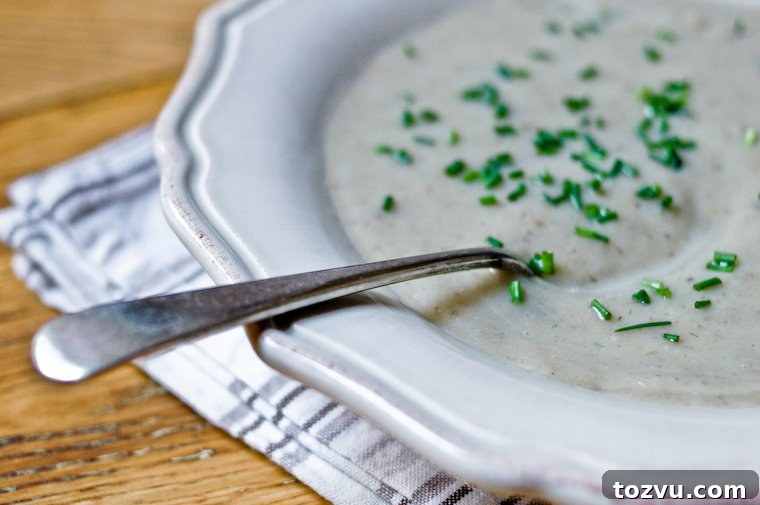
Velouté de topinambours au bacon
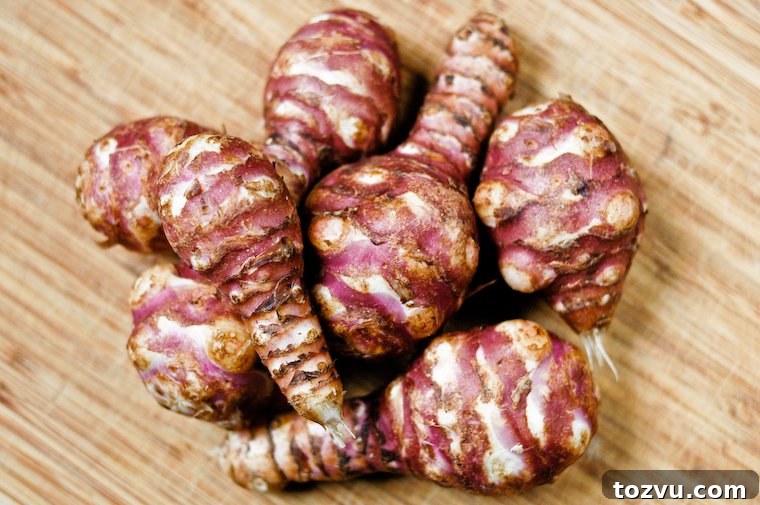
Jerusalem artichokes, also known as sunchokes, appear in mid-autumn and remain available through March or April, so now is a good time to look for them. You’ll often find them at farmers’ markets rather than mainstream grocery aisles. In France the common variety has a pink skin, while in other regions you may see beige-skinned tubers.
In this Jerusalem artichoke soup I add bacon, introducing a smoky umami dimension that tickles the delicate sweetness of the tubers.
Topinambour is a typical example of what the French call légumes oubliés, or forgotten vegetables. That category includes heirloom varieties displaced by hardier or more productive crops, and also vegetables that became staples during wartime when more desirable items were rationed. Jerusalem artichokes and rutabagas are two such ingredients that fell out of favor for a time but are enjoying renewed interest.
Forgotten vegetables are back!
Sunchokes are back in style for good reason: they have a distinctive artichoke-like flavor and a creamy texture similar to baking potatoes. Their taste and texture make them ideal for soups — when simmered and puréed they become silky, which is why the French term velouté fits so well.
In this recipe I pair Jerusalem artichokes with bacon to add a smoky, savory note that complements the tubers’ gentle sweetness. A scattering of snipped chives brightens the bowl. Serve the soup with toasted slices of day-old baguette for a rustic yet refined starter.
Beyond soup, sunchokes are versatile: braise or roast them; mash them like potatoes and garnish with chopped hazelnuts alongside rabbit or game; include them in potato gratins, risottos, frittatas with mushrooms and greens, or warm salads with mâche and walnuts. They can also be thinly sliced raw or made into chips, which some cooks enjoy.
Okay, let’s talk intestinal discomfort.
It would be disingenuous to celebrate Jerusalem artichokes without mentioning digestion. Many people experience gas or bloating after eating them, a sensitivity often attributed to inulin, a fermentable fiber the tubers contain. That explains why some older generations were eager to exclude them from the family table.
It would seem disingenuous to talk about Jerusalem artichokes and not broach the delicate subject of digestion.
That said, sunchokes are flavorful and nutritious, and there are practical steps that tend to reduce digestive discomfort. I’ve gathered three tips that have worked well in my kitchen. They aren’t a scientific protocol, but they are sensible, low-risk measures you can try.
First, buy the freshest tubers you can find — they should feel firm and tight-skinned — and cook them within a day or two. Although root vegetables are often stored for long periods, the composition of vegetables changes after harvest, and fresher sunchokes generally produce fewer digestive issues.
Second, parboil the tubers before finishing the recipe: start them in cold water with a pinch of baking soda, bring to a simmer, then drain and discard the cooking water. This step can help leach out some of the fermentable material.
Third, combine sunchokes with potatoes. Potatoes contain enzymes that may help break down inulin, and they also blend well in flavor and texture. Using a mix of sunchokes and potato in soups and purées can make the dish easier on sensitive stomachs.
Join the conversation!
Do you have a favorite Jerusalem artichoke recipe or tips to share?