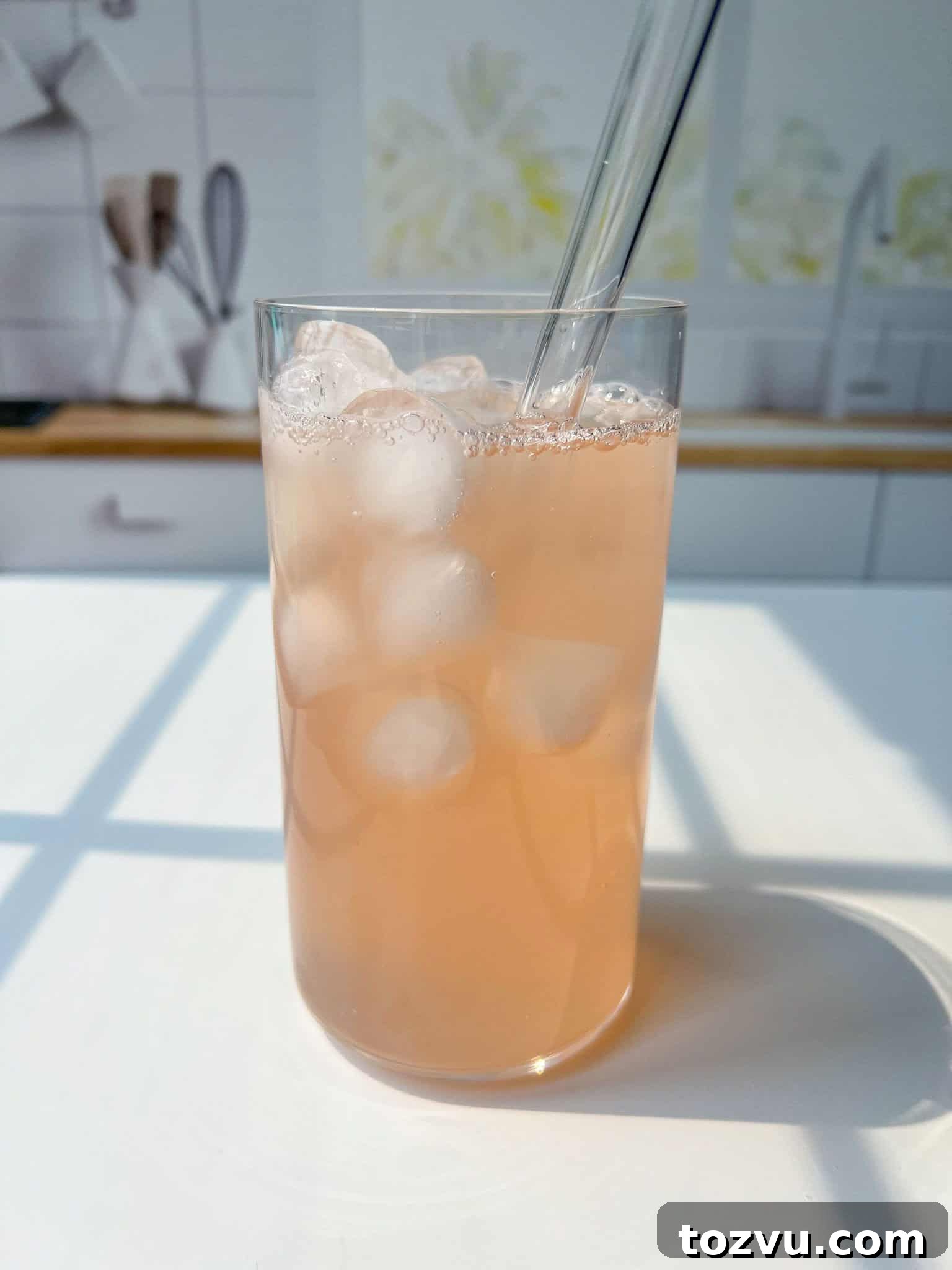
Known as “Kompot” in my language, this healthy fruit compote is a refreshing, naturally sweet drink that will change how you think about fruit juice. I grew up drinking cold glasses of Kompot made from fruit trees on my family’s property. Kompot is a traditional beverage in Eastern Europe, commonly served chilled on warm days but equally comforting hot in winter. When canned and stored correctly, Kompot will keep in the pantry through the colder months, offering a little taste of summer when you need it most. This beverage is made from fresh fruit and can be prepared two classic ways: by boiling, straining, and chilling, or by marinating fruit in sugar water. The version shown here uses the boiling-and-straining method.
Why You’ll Love This Fruit Compote Recipe
This traditional fruit compote is a beloved Eastern European staple and a simple, delicious way to enjoy the best of summer fruit. In about 30 minutes you can make a large batch to keep in the refrigerator for the week. It’s totally homemade with no artificial additives—just pure fruit flavor. The recipe is highly adaptable: use a single fruit or mix whatever you have on hand. Stone fruits such as plums, peaches, apricots, and cherries, as well as berries like strawberries and raspberries, work wonderfully. You can tailor the sweetness by adding more or less sugar or honey, or dilute the compote with water when serving for a milder flavor.
How to Prepare This Fruit Compote Recipe
Add 3 1/2 liters (about 1 gallon) of filtered water to a large pot.
Wash and prepare the fruit. For this recipe, I recommend 2 peaches, 4 plums, 2 pears, and 2 apples—washed, halved, and pitted or cored as needed.
Place all the prepared fruit in the pot with the water and bring to a boil.
Once boiling, semi-cover the pot and reduce the heat to medium-low. Let the mixture simmer for 30 minutes so the fruit releases its flavor into the liquid.
After simmering, remove the fruit from the liquid using a sieve or a spider and reserve the cooking liquid. If you like, process the cooked fruit in a food processor or blender with a little sugar or honey to make a thick fruit purée.
To the hot fruit liquid, add sugar or honey to taste if you want a sweeter drink. Allow the liquid to cool to room temperature, then strain it into a bowl or mason jars and chill in the refrigerator.
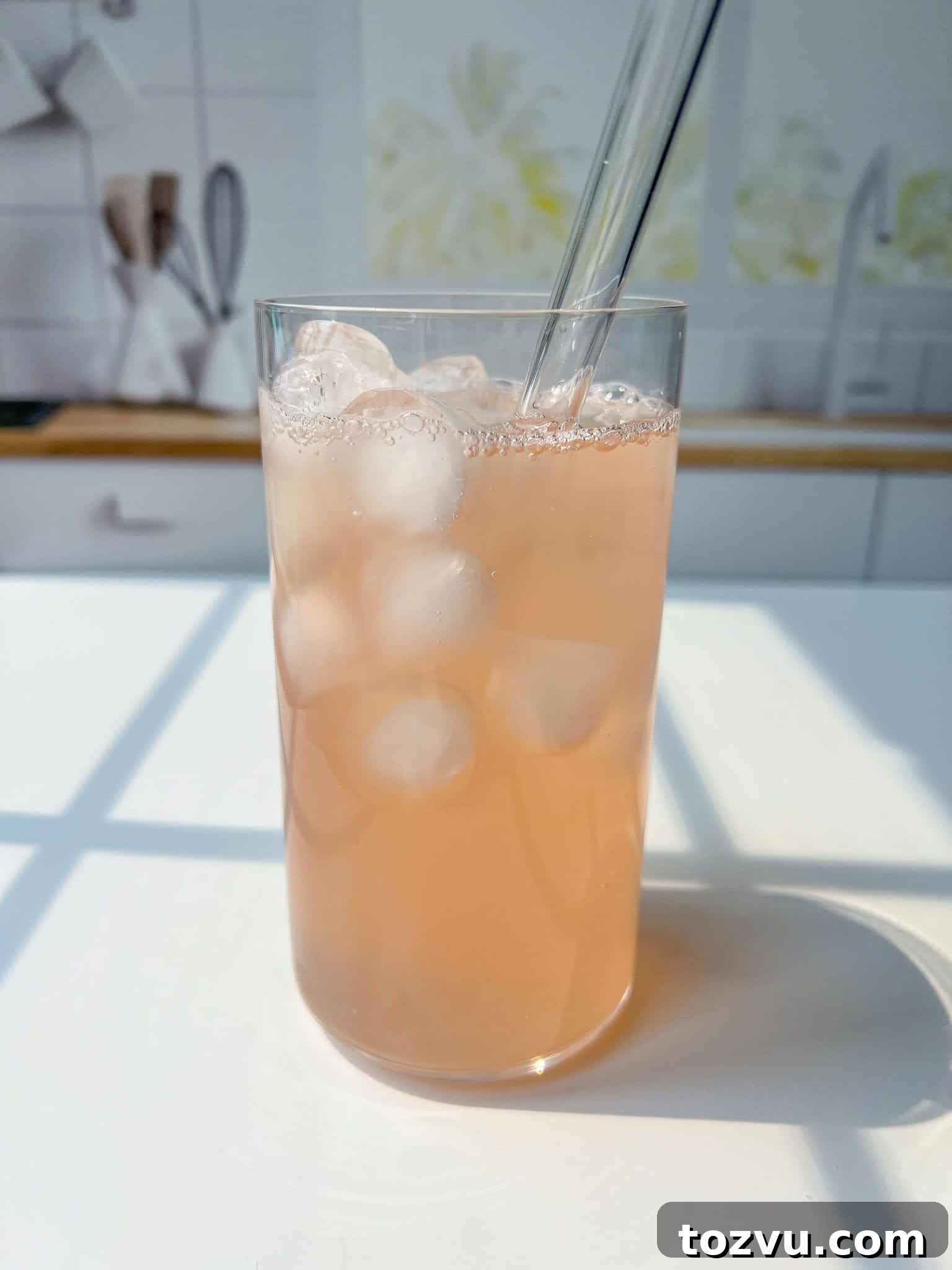
Serve the compote over ice for a refreshing beverage.
Nonna’s Tip
Don’t discard the leftover soft fruit from your Kompot. After straining, blend the cooked fruit into a thick purée and use it for pancakes, smoothies, toast spreads, yogurt toppings, or in baking. Adding a touch of sweetener and a splash of lemon brightens the purée if desired.
Variations and Substitutions for this Fruit Compote Recipe
- Adjust sweetness and intensity to suit your tastes: add more or less sugar or honey, increase the amount of fruit for stronger flavor, or dilute with water when serving if you prefer a lighter drink.
- Mix different fruits for new flavor profiles. Stone fruits (plums, peaches, apricots, cherries), berries (strawberries, raspberries), apples, and pears all pair well together.
- A favorite combination is cherries, dark plums, raisins, and apples for a rich, deep flavor. Using tart or sweet fruit will change the final taste—choose based on what you enjoy.
- Sweetener is optional. My family typically adds sugar to taste, but honey is a lovely, natural alternative and can add a floral note.
Best Served With
- This fruit compote pairs well with light summer dips and snacks or can be served alongside traditional Eastern European desserts.
- It also complements breakfast dishes: pour a splash into yogurt or over pancakes, and use the reserved purée as a spread for toast or filling for pastries.
Common Questions
To intensify the flavor, double the amount of fruit and reduce the water slightly, or simmer longer to concentrate the liquid. You can also add a small amount of lemon peel or a cinnamon stick while simmering for extra depth.
Strain the cooked liquid, chill it in the refrigerator, and serve in a pitcher with ice on a hot day. It can also be served warm as a soothing winter beverage.
To can Kompot, place chopped fruit and a little sugar in clean mason jars, cover with hot syrup or boiling water leaving proper headspace, seal, and process the jars in a boiling water bath following safe canning guidelines. If you are new to canning, consult reliable canning resources for detailed instructions.
After straining, blend the leftover fruit into a purée to use in pancakes, smoothies, spreads, or baking. Adding a bit of sweetener and a squeeze of lemon will enhance the purée’s flavor.
Fruit Compote Recipe

Ingredients
- 3 ½ liters filtered water
- 2 peaches, washed, pitted and halved
- 4 dark plums, washed, pitted and halved
- 2 pears, washed and halved, cores removed
- 2 apples, washed and halved, cores removed
- Sugar or honey to taste (optional)
Instructions
- Add the filtered water to a large pot.
- Add the prepared fruit and bring the mixture to a boil.
- Semi-cover the pot, reduce the heat to medium-low, and simmer for 30 minutes.
- Remove the fruit with a sieve or spider. Blend the fruit into a purée with a little sugar or honey if desired.
- Sweeten the hot liquid to taste, cool to room temperature, strain into jars or a pitcher, and chill before serving. Serve over ice.