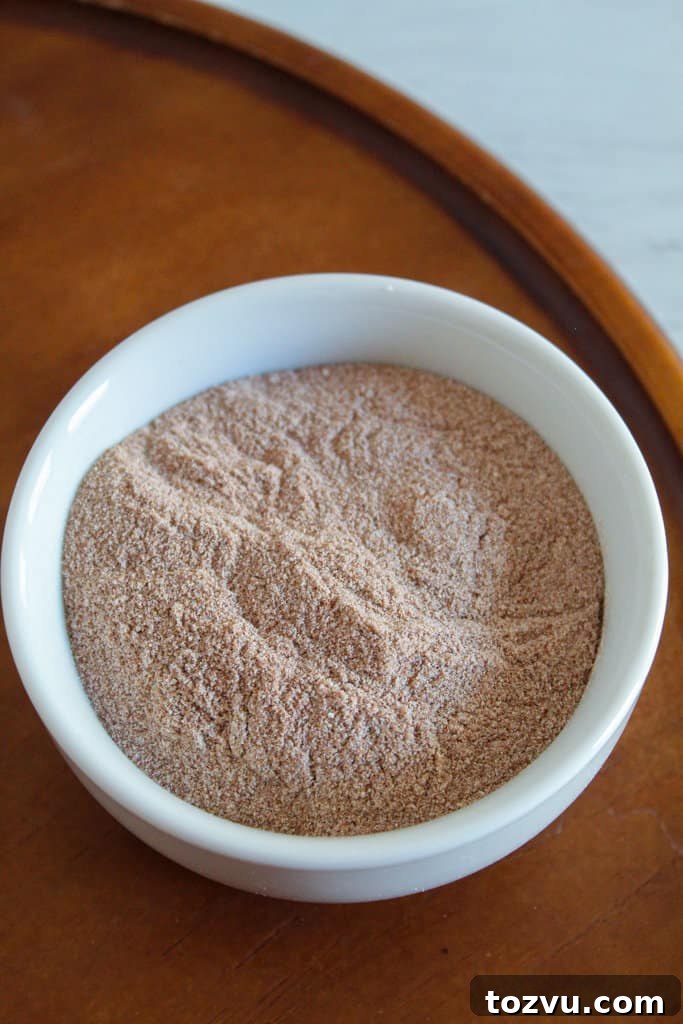
Teff flour has a rich, nutty flavor and works beautifully in gluten-free baking, but it isn’t always easy to find. When a recipe calls for teff and you don’t have it, the best substitute depends on what you’re making.
For the closest all-around swap, use buckwheat flour. For a milder flavor, sorghum flour is a good choice. Millet flour works well in hearty or savory bakes, while amaranth flour is best for denser recipes like crackers, tortillas, and rustic breads.
Table of Contents
The key is to substitute by weight, not by cups. Gluten-free flours vary in density, protein, and fiber, so the wrong swap can make baked goods turn out dry, crumbly, dense, or gummy. Here’s how to choose the best teff flour substitute for your recipe.
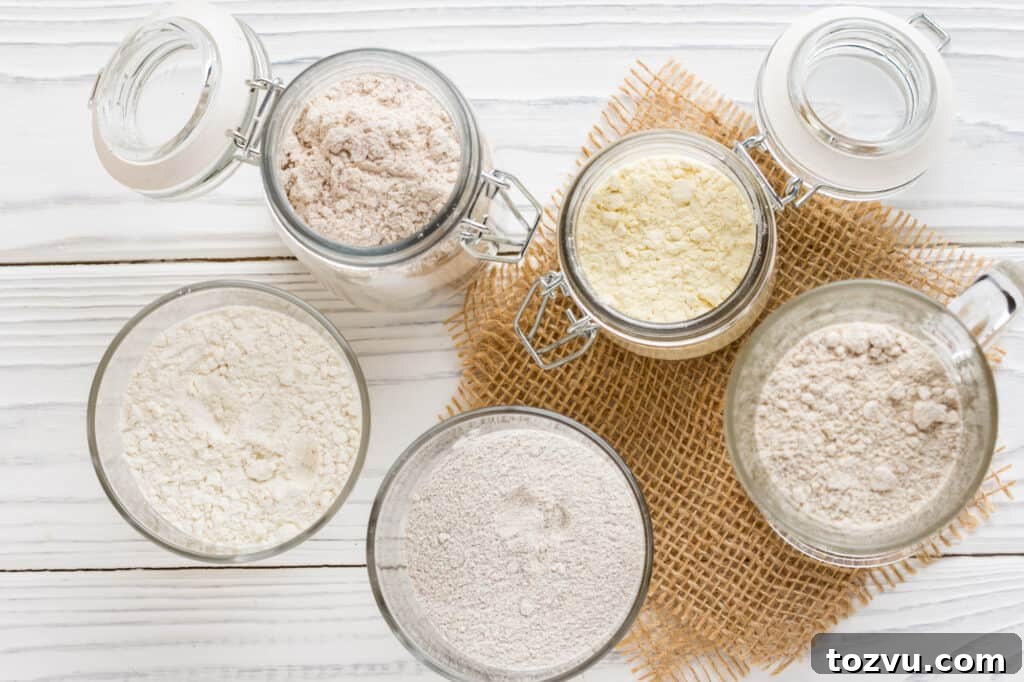
What is Teff Flour?
Teff is a gluten-free grain native to Ethiopia, sometimes called Williams’ lovegrass or annual bunch grass. It has been a staple of Ethiopian cooking for centuries, and it is the traditional grain used to make injera, a fermented flatbread. In modern gluten-free baking teff is prized for its malty, slightly nutty flavor and its ability to lend a wholesome texture to pancakes, breads, and other bakes.
You can make teff flour at home if you have whole teff seeds: grind the seeds in a high-speed blender or food processor until you get a fine powder. Because the seeds are tiny, take care to avoid spills and vacuum any stray grains to keep your workspace tidy.
Best Teff Flour Substitutes at a Glance
If you need a teff flour substitute, buckwheat flour is the closest all-around option thanks to its similar earthy flavor and comparable protein and fiber. For a milder taste, choose sorghum flour. For savory or hearty bakes, millet flour performs well. For dense breads, crackers, or tortillas, amaranth flour is a strong option, though you may need extra liquid or a binder.
- Closest overall: Buckwheat flour
- Best mild substitute: Sorghum flour
- Best for savory bakes: Millet flour
- Best for dense recipes: Amaranth flour
- Best measuring method: Substitute by weight, not cups
How to Substitute Teff Flour Without Dry or Gummy Results
Teff flour can be hard to source in regular supermarkets. When I can’t find it, I either order teff online or choose a reliable substitute depending on the recipe. The most important factors when replacing teff are protein and dietary fiber, because they influence moisture retention and binding. Getting these balances right helps avoid dry, crumbly, dense, or gummy results.
Aim to replace flours by weight, start with a 1:1 swap by grams, and adjust liquid amounts based on the batter or dough. Some flours absorb more liquid than teff, and others bind less, so small changes often make a big difference.
Quick Tips
- Swap by weight, not by cups. Grams give a much more accurate replacement for gluten-free flours.
- Start 1:1 by weight. Use this as a baseline and adjust for texture.
- Watch moisture. Add a bit more liquid if the batter seems dry; reduce if too wet.
- Avoid overmixing. Excess mixing can make gluten-free batters gummy or dense.
- Let batters rest briefly. Resting helps hydrate the flour and improves texture.
- Use binders when needed. Xanthan gum, psyllium husk, or eggs help with structure in breads and muffins.
- Adjust for flavor. Buckwheat and amaranth are bold; sorghum and millet are milder.
- Test in small batches first. For recipes that depend heavily on teff’s flavor or structure, try a half batch before scaling up.
Measuring precisely matters with gluten-free flours. Too much flour yields dry, crumbly results; too little yields gummy, under-structured bakes. For consistent results, use a digital food scale and measure by grams whenever possible.
Teff Flour Substitute Comparison Chart
Choose a substitute based on the recipe’s flavor and structural needs. Some flours line up closely with teff for protein and fiber, others offer a milder taste or different texture. Swap by weight for the most reliable outcome.
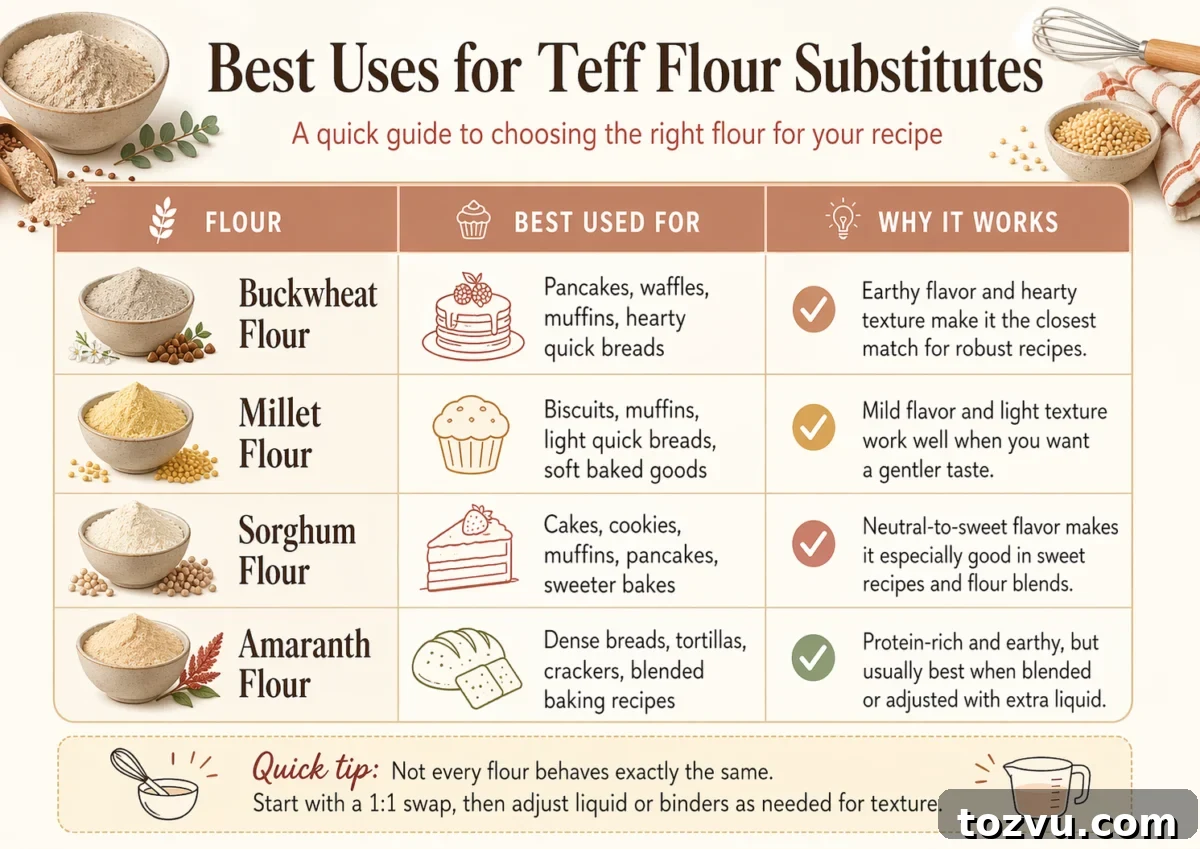
4 Best Substitutes for Teff Flour
These gluten-free flours most closely match teff’s behavior in baking because of their comparable protein and fiber content. Below are practical notes on when to use each.
1. Buckwheat Flour
Buckwheat is the best all-around substitute for teff. It offers a similar protein and fiber profile and brings an earthy, nutty flavor that works well in pancakes, waffles, muffins, quick breads, and rustic loaves. Buckwheat is a pseudograin (a seed rather than a true grain), and it behaves like a grain when baked.
Best for:
- Pancakes and waffles
- Muffins and quick breads
- Rustic breads and savory bakes
Use with caution in:
- Light cakes and delicate cookies where a strong whole-grain flavor is unwanted
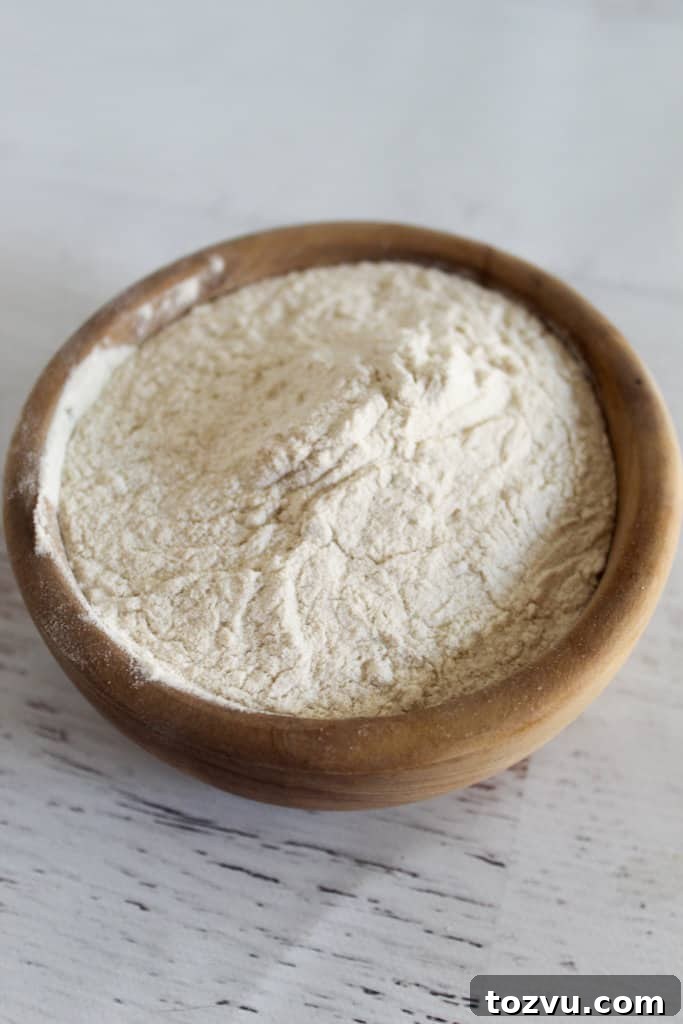
Nutritional note: Buckwheat contains a notable amount of protein and fiber, which helps it mimic teff’s performance in many recipes.
2. Millet Flour
Millet flour is a good whole-grain alternative to teff. It is slightly lower in protein but similar in fiber and offers a mild, slightly sweet, grainy texture that suits savory muffins, flatbreads, crackers, biscuits, and rustic loaves.
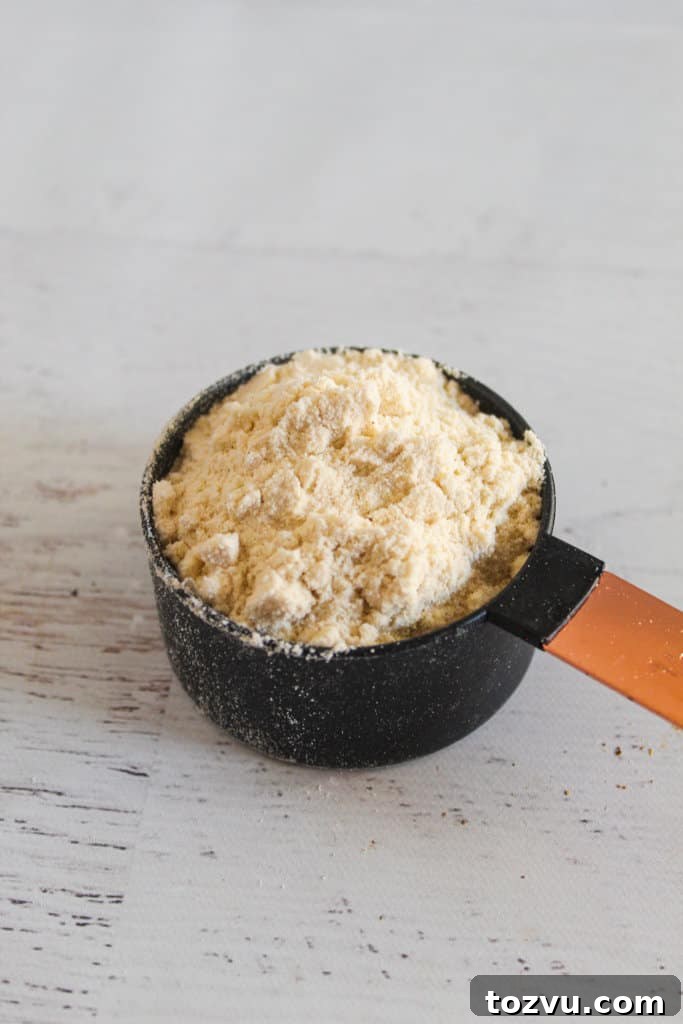
Use millet when you want a mild flavor and a slightly grainy crumb, but avoid it in very moist or highly structured recipes where extra binding is required.
3. Sorghum Flour
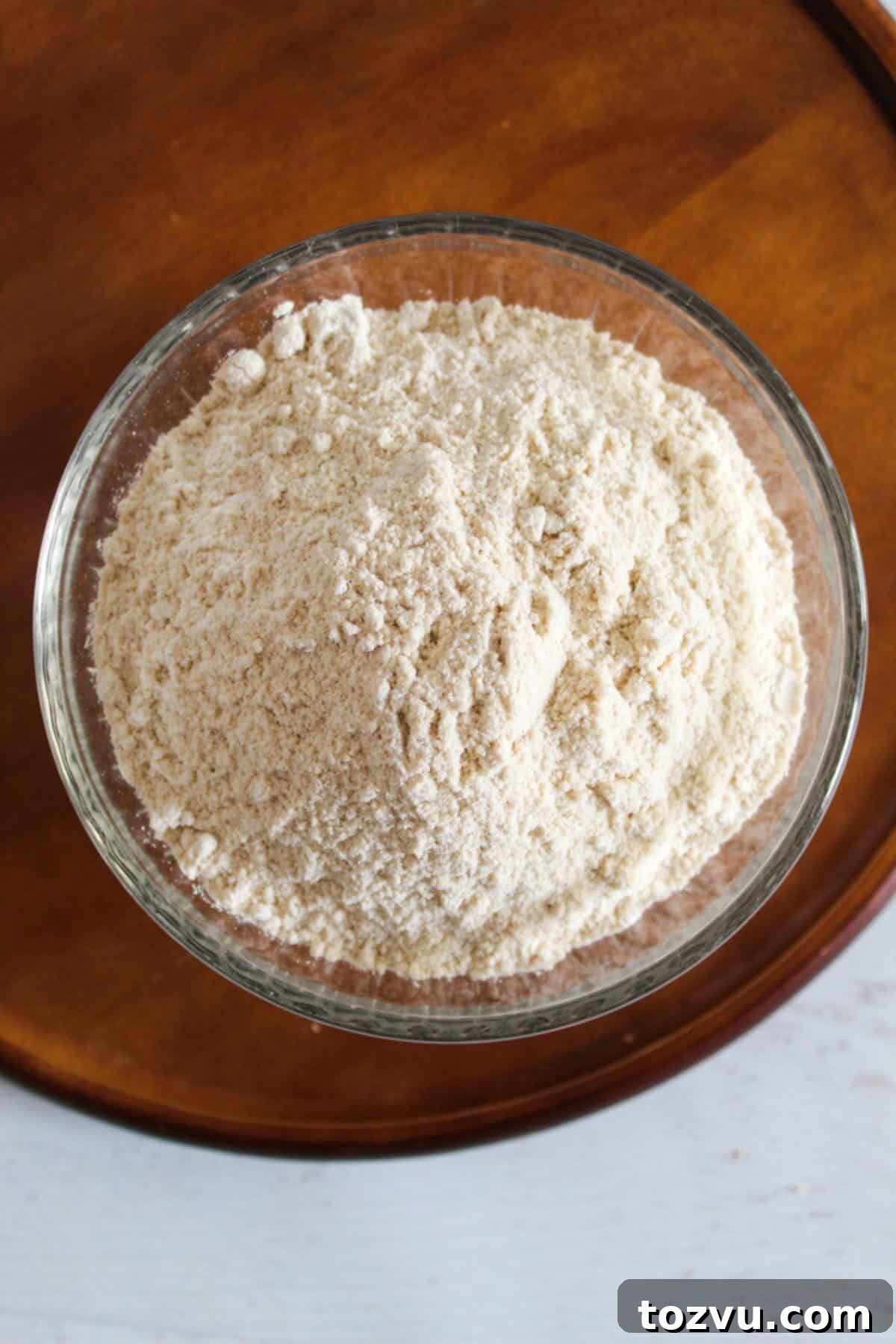
Sorghum flour is mild and slightly sweet, making it ideal for cookies, muffins, cakes, pancakes, and quick breads where you want a gentle flavor. It performs well in many sweet recipes but may need extra binder in heartier loaves.
4. Amaranth Flour
Amaranth is well suited to dense, savory bakes: crackers, tortillas, flatbreads, and hearty loaves. It has higher fiber and a rich amino acid profile, which can make batters dryer or heavier if you don’t increase liquids or add binders like an egg or psyllium.
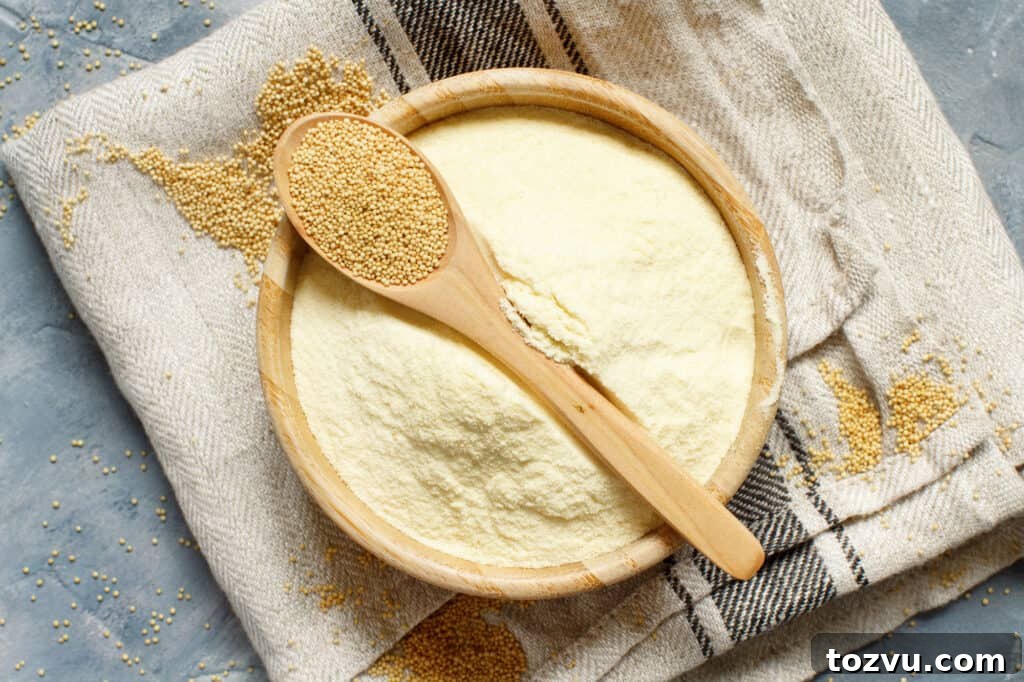
Use amaranth in small proportions when replacing teff in lighter baked goods, and add liquid or binding agents as needed to maintain a pleasant texture.
Can You Substitute Teff Flour in Injera?
Injera depends heavily on teff for its tangy flavor, flexible texture, and fermented structure, so a full substitution will change the result. If you want an injera-style flatbread rather than authentic injera, buckwheat, sorghum, or millet can be experimented with—expect differences in flavor and texture.
Best options for injera-style flatbread:
- Buckwheat: Deeper, earthy flavor.
- Sorghum: Milder flavor.
- Millet: Slightly sweet, grainy flavor.
- Amaranth: Use sparingly; it can be strong and heavy.
For traditional injera, use teff when possible. If you substitute, try a partial swap first and adjust fermentation and hydration to suit the alternative flour.
How To Make Injera
There are many demonstrations showing traditional injera made with teff flour and a fermented batter. If you wish to learn the authentic method, look for sources that focus on teff-based fermentation and the specific pan or griddle technique used to achieve injera’s characteristic texture.
FAQ for Replacing Teff Flour
Below are answers to common questions about replacing teff flour in recipes. These practical points help you choose the right substitute and avoid common pitfalls.
How can I tell if a flour is truly gluten-free?
Look for a “certified gluten-free” label on the package. That certification indicates the product was processed in a way that minimizes cross-contamination with gluten-containing grains like wheat, barley, and rye.
Why do protein and fiber content matter for replacing flour?
Protein and fiber affect a flour’s moisture retention and binding ability. When you swap flours, you may need to adjust liquid or binding agents to maintain structure and the intended crumb.
Does the density of the flour matter when measuring it?
Yes—especially if you measure by cups. Flour density varies widely; measuring by grams is the most reliable method to reproduce consistent results in gluten-free baking.
| Gluten-free flour | Grams per cup | Protein (g per 100 g) | Dietary fiber (g per 100 g) | Fat (g per 100 g) |
|---|---|---|---|---|
| Chickpea flour (besan) | 92 | 22.4 | 10.8 | 6.7 |
| Almond flour | 112 | 21.4 | 10.7 | 50.0 |
| Oat flour (certified gluten-free) | 104 | 14.6 | 6.5 | 9.1 |
| Quinoa flour | 112 | 14.3 | 7.1 | 7.1 |
| Amaranth flour | 140 | 14.3 | 11.4 | 5.7 |
| Coconut flour | 120 | 13.3 | 40.0 | 13.3 |
| Buckwheat flour | 120 | 12.6 | 10.0 | 3.1 |
| Millet flour | 119 | 10.8 | 3.5 | 4.3 |
| Teff flour | 188 | 10.6 | 10.6 | 2.1 |
| Sorghum flour (whole-grain) | 121 | 8.4 | 6.6 | 3.3 |
| Brown rice flour | 158 | 7.2 | 4.6 | 2.8 |
| Potato flour | 160 | 6.9 | 5.9 | 0.3 |
| Corn flour (whole-grain, yellow) | 117 | 6.9 | 7.3 | 3.8 |
| White rice flour | 158 | 5.9 | 2.4 | 1.4 |
| Tapioca starch/flour | 152 | 0.2 | 0.9 | 0.0 |
My Favorite Gluten-Free Recipes to Try Next
Once you understand how teff and its substitutes behave, start baking to build confidence. Pancakes and crepes are forgiving places to practice swaps; biscuits and artisan breads are better for when you’re comfortable adjusting hydration, binders, and flavor.
- Teff Pancakes — A straightforward way to experience teff’s nutty flavor.
- Buckwheat Crepes — Great for seeing how buckwheat yields tender, flexible batters.
- Buckwheat Biscuits — A heartier bake that highlights rustic flavor.
- Gluten-Free Artisan Bread — Good practice for structure and moisture control with gluten-free flours.
Have You Tried a Teff Flour Substitute?
If you’ve replaced teff with buckwheat, millet, sorghum, amaranth, or another flour, share what you baked and how the texture and flavor changed. Practical experiences help other bakers select the right swap for their recipe and avoid common mistakes.