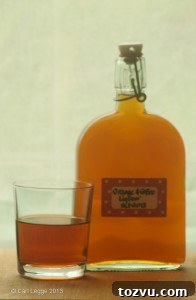
Delightfully simple to make: satisfyingly complex to taste.
This orange and coffee liqueur is easy to prepare yet rewards patience with a layered, sophisticated flavour. Make a batch now and it will be mellow and rounded by the festive season, or gift a beautifully bottled bottle to someone special. The process is low-effort and the results are impressive.
The aroma is evocative and warming: the dark, roasted spice of coffee paired with the bright, sweet-bitter oils from orange peel. As the liqueur ages the flavours mellow and integrate, revealing new notes you may not notice on the first sip. It’s a great example of how a few high-quality ingredients and time can create a complex spirit.
This recipe is an adaptation inspired by a well-known culinary source and by classic home liqueur traditions. If you have access to slightly bitter or Seville-style oranges they work particularly well, but standard sweet oranges give an excellent result too. You can use vodka for a clean, pure base, or choose brandy or rum for a richer, warmer character.
Below is a clear, step-by-step recipe and practical tips to help you produce a smooth, aromatic orange-and-coffee liqueur.
Orange & coffee liqueur recipe
Yield: approximately 1.2 litres of liqueur, depending on loss when straining and bottling.
Use a clean, non-reactive container larger than one litre for maceration, and prepare a bottle or bottles for long-term storage and gifting.
Ingredients
2 large or 3 smaller oranges
About 80–100 roasted coffee beans (adjust to taste)
300 g white granulated sugar
1 litre vodka, brandy or rum (choose a quality spirit)
Method
1. Prepare the oranges: wash and dry them thoroughly. If you prefer, scrub with a vegetable brush to remove any surface residues.
2. Divide the coffee beans evenly according to the number of oranges you have. Press the beans one by one into the orange peel so the skin is punctured. A small knife or skewer can help start the hole. Some beans may fall out; the goal is to pierce the rind so the essential oils and a little juice can escape and infuse into the spirit.

3. Place the studded oranges in your maceration container and add any remaining coffee beans. Pour in the sugar, then add your chosen spirit until the fruit and beans are fully submerged. Seal the container.
4. Store in a cool, dark place for at least six weeks. Gently stir or invert the container occasionally to encourage the sugar to dissolve and the flavours to mingle. The longer you leave it, the smoother and more integrated the flavours will become; many makers prefer eight weeks or more.
5. After maceration, strain the liquid to remove the oranges and beans. For a clearer liqueur, strain through a double layer of scalded muslin or a fine sieve lined with coffee filter paper. Pressing the fruit will release more flavour and juice; whether to press is a matter of personal taste. If you prefer a brighter, lighter spirit, avoid pressing and keep the infusion as-is.
6. Bottle the strained liqueur in sterilised bottles. Decorate if you like with a strip of orange peel or a coffee bean on the stopper for an attractive gift presentation. Label with the date and the base spirit used.
Storage and serving: store bottles in a cool, dark place. Serve neat in small glasses, use as a dessert liqueur over ice cream, or incorporate into coffee-based cocktails and desserts. If you used vodka, the orange and coffee will be more pronounced; brandy or rum will add a warm, rounded backbone.
Variations and tips: experiment with different coffee bean roast levels—medium roasts tend to give a balanced coffee character, while darker roasts add smokiness. Whole beans are recommended to avoid over-extraction that can bring excessive bitterness. You can also try different spirit bases to find the profile you prefer.
This recipe produces a distinctive, homemade liqueur that develops with time and is well worth the wait. If you have any favourite coffee bean varieties or tips for maceration, I’d be interested to hear recommendations from fellow enthusiasts.