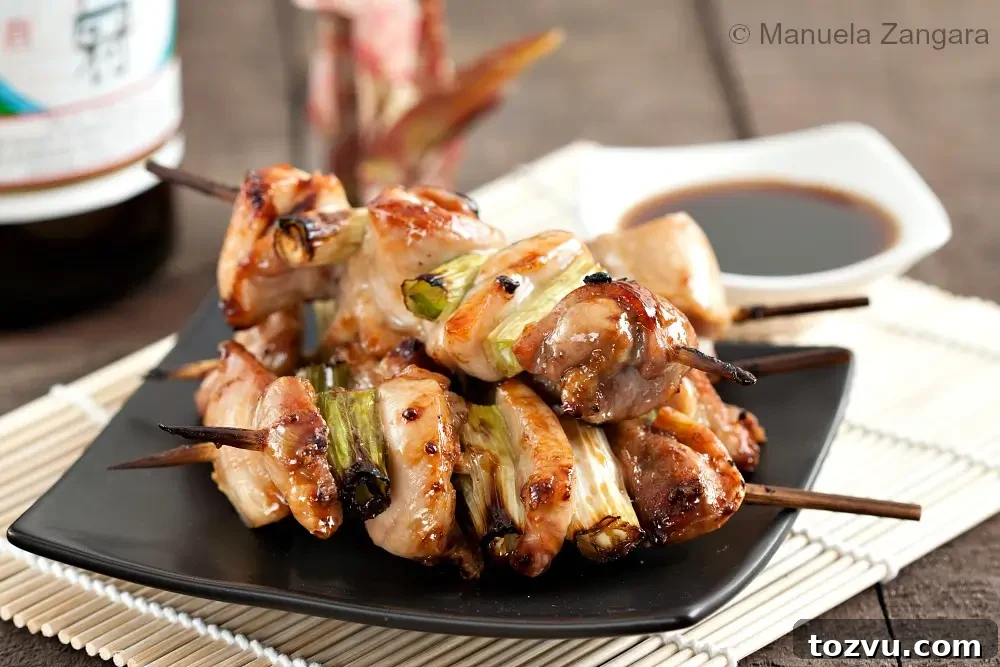
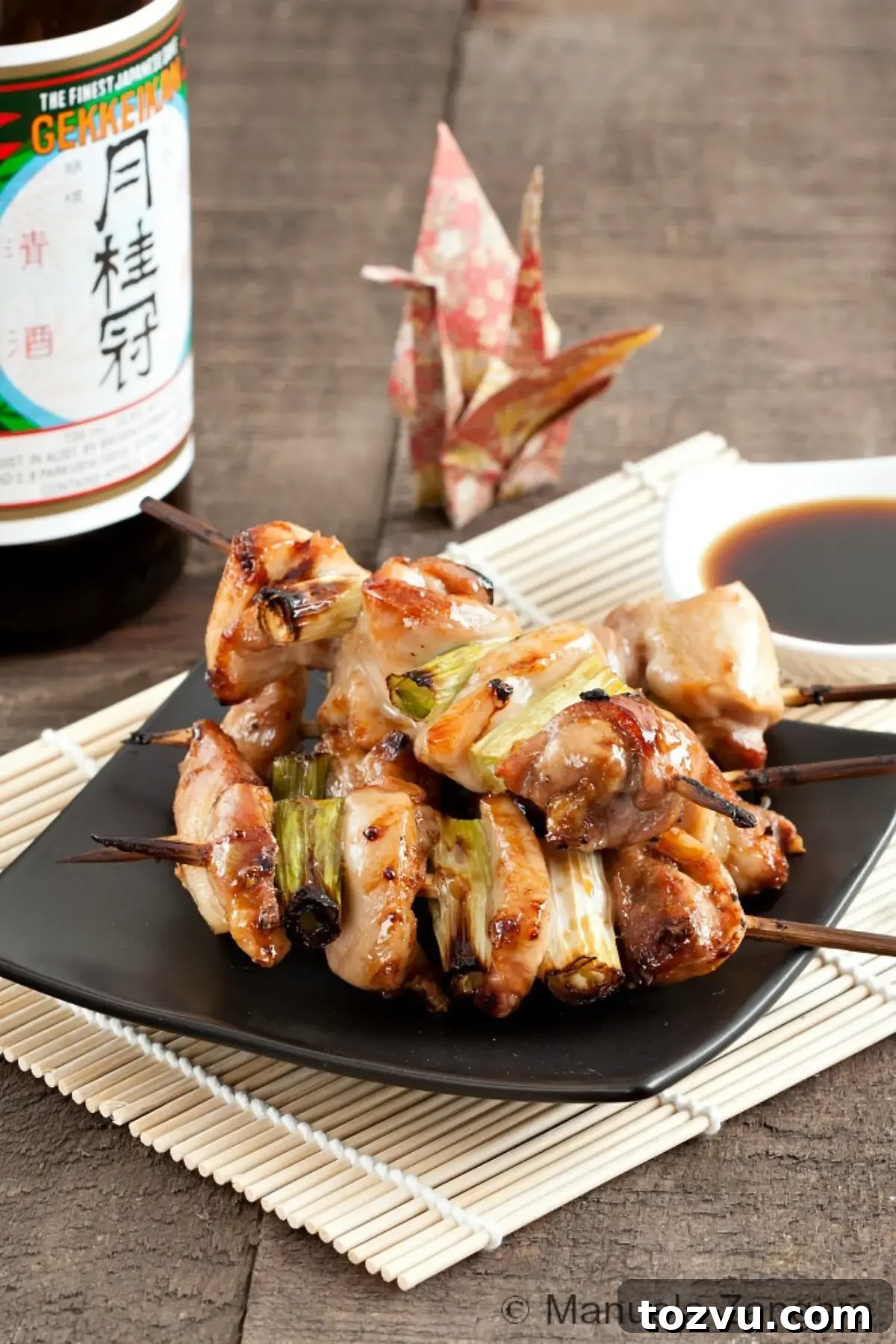
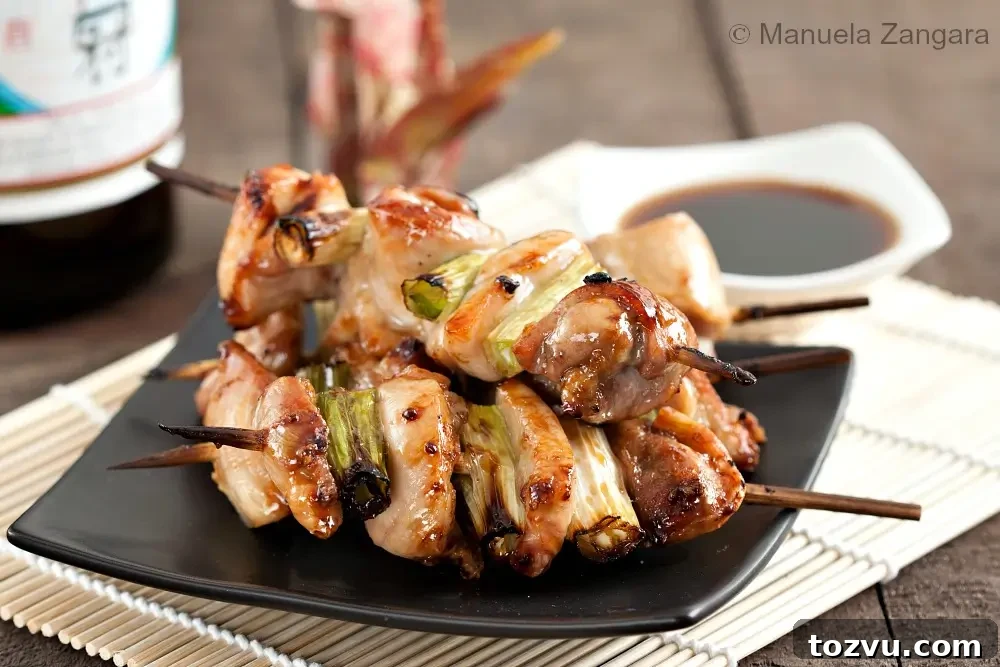
Cooked on skewers, yakitori stays tender, develops a light char and finishes with a glossy savoury glaze that smells rich and inviting.
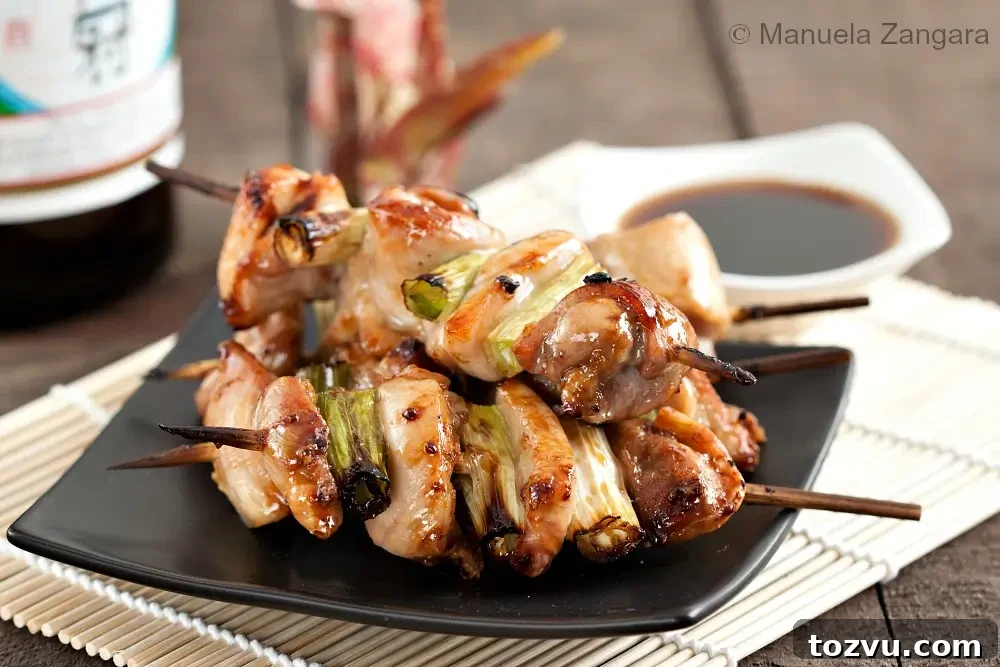
Recently I’ve been exploring more Japanese dishes. Beyond sushi, the variety and precision of Japanese cooking continue to surprise and delight me. Yakitori—simple, grilled chicken skewers—is a perfect example: straightforward to prepare yet deeply satisfying.
I had heard about yakitori for years but didn’t try it until recently. After my first bite I was hooked. The contrast of tender, bite-sized chicken, mild spring onions and a sticky tare glaze is irresistible.
Yakitori appears in many forms: street-food stalls, casual izakaya bars, and specialised yakitori restaurants. Chefs use different cuts to match each part’s texture—thighs for juiciness, breast for a firmer bite, and even organ meats at traditional counters. The key is grilling over high heat and finishing with either salt (shio) or a soy-based glaze (tare).
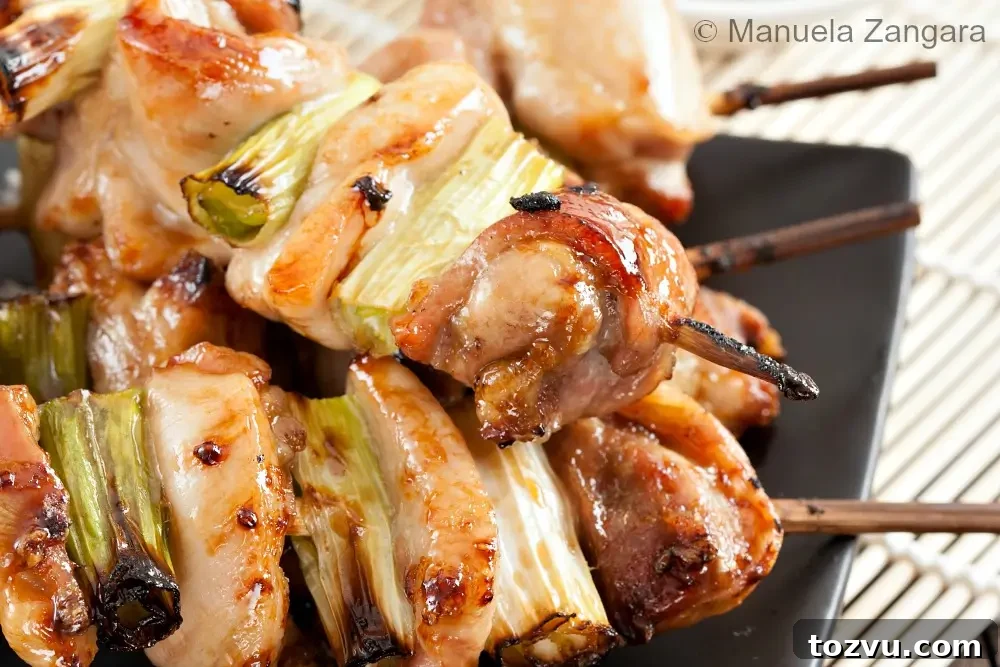
The tare sauce balances sweet and savory, and the whole dish comes together quickly. This recipe is ideal for barbecue season, but it also works well under an oven broiler if you don’t have a grill. Try the broiler method for an easy, reliable result.
What is Yakitori?
Yakitori describes Japanese-style grilled chicken skewers. Traditionally served in small specialty restaurants and izakaya, yakitori is skewered, grilled over high heat—often charcoal—and eaten hot from the grill.
The term is literal: yaki means grilled and tori means chicken. Pieces are threaded on skewers and cooked until lightly charred on the outside while staying juicy inside. Chefs either season simply with salt (shio) or brush a glossy soy-based glaze called tare as the meat cooks.
Good yakitori depends on timing and attention at the grill: quick searing to lock juices, a few turns, and repeated glazing so the sauce caramelises into a lacquered finish.
What You’ll Enjoy About This Yakitori
- Immediate savoury flavour with a gentle sweetness from the tare.
- Easy-to-eat bite-sized pieces that are perfect for sharing.
- A pleasing textural contrast between juicy chicken and softened spring onions.
Key Ingredients for Yakitori
Spring Onions (Green Onions)
The white and pale-green parts sweeten and soften when cooked. Thread them between chicken pieces so everything cooks evenly.
Soy Sauce
Soy sauce provides the sauce’s savory backbone. Use a standard Japanese-style soy sauce for a balanced, familiar flavour.
Mirin
Mirin brings gentle sweetness and helps the tare cling to the chicken once reduced. Real mirin gives the best sheen and clean finish.
Sake
Sake rounds the sauce and softens the soy’s saltiness while cooking off the alcohol. A basic drinking sake works well.
The full ingredient list with measurements appears in the recipe card below.
How to Make Chicken Yakitori
Prepare the skewers: Soak bamboo skewers in water for 30 minutes to prevent burning during cooking.
Yakitori Sauce (Tare)
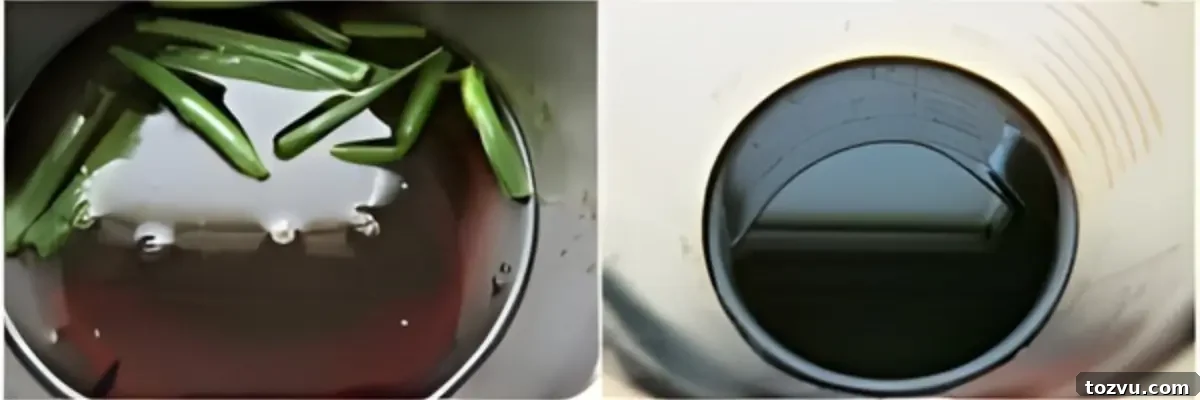
In a small saucepan combine mirin, soy sauce, sake, water, brown sugar and the green part of one spring onion. Bring to a boil over high heat, then reduce to low and simmer, uncovered, until the liquid reduces by about half, roughly 25–35 minutes. Remove from heat and cool to room temperature. Reserve about one third of the sauce in a separate bowl for finishing the cooked skewers.
Yakitori
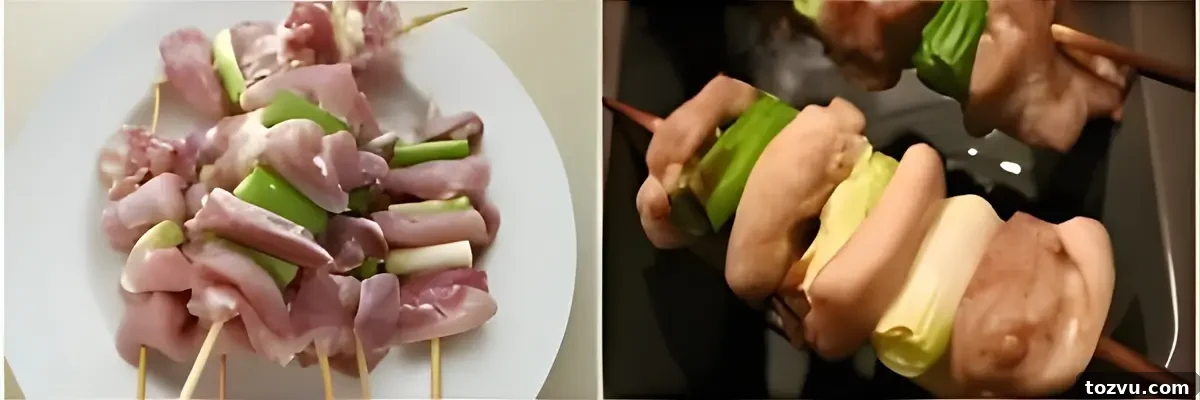
Cut the white and light green parts of the spring onions into 1-inch (2.5 cm) lengths. Cut the chicken into 1-inch cubes. Thread the chicken onto skewers at a slight angle, alternating pieces of chicken with spring onion to promote even cooking.
Grease the broiler grate, wire rack or oven-safe cooling rack to prevent sticking. Place the skewers on the rack and position them close to the broiler element.
Broil on high for about 6 minutes to develop colour. Remove briefly, brush both sides with the tare and broil a further 3–4 minutes, until the chicken is cooked through and the sauce has caramelised. Transfer skewers to a platter and brush with the reserved sauce using a clean brush. Serve warm.
Note: Keep the reserved sauce separate from raw chicken. If it touches raw meat, bring it to a boil again before using to prevent cross-contamination.
Frequently Asked Questions
Yes. A hot oven broiler works very well and gives good colour. Keep the skewers close to the heat and watch closely once you start glazing so the sauce doesn’t burn.
Boneless skinless chicken thighs are ideal: they stay moist under high heat and take the glaze well. Breast meat can be used but requires careful timing to avoid drying out.
While traditionally chicken, the same skewering and glazing technique suits thin-sliced beef, pork loin or pork belly. Adjust cooking times accordingly.
Serve with plain steamed rice, a simple cucumber salad, pickled vegetables, or grilled greens. Tare is traditional, but a light sprinkle of salt is also common.
Dry sherry is a suitable substitute. Avoid cooking wines that contain added salt or preservatives, as they can alter the sauce’s balance when reduced.
Extra Help from the Kitchen
Warm the chicken slightly before skewering – letting the meat sit briefly at room temperature helps it cook more evenly and reduces the risk of dry edges.
Reduce the tare gently – simmer slowly so the sauce thickens evenly and retains a balanced flavour without becoming overly sharp.
Leave space at the skewer ends – gaps make turning easier and keep fingers away from direct heat.
Turn minimally after glazing – turn once after brushing so the glaze can set and caramelise without breaking.
Line the tray with foil – placing foil under the rack catches drips and simplifies cleanup without affecting cooking.
Variations and Twists
Swap vegetables for spring onions – shiitake mushrooms, shishito peppers, zucchini or asparagus work well between the chicken.
Pan-cook instead of broiling – use a wide skillet over medium heat with a little oil, turn as needed and allow the sauce to caramelise gently in the pan.
Try other chicken cuts – chicken breast or tenderloins can be used; keep pieces slightly larger and reduce cooking time to retain moisture.
Add aromatics to the tare – simmer a few slices of fresh ginger or lightly crushed garlic while reducing the sauce, then strain for a subtler aromatic note.
Storage and Shelf Life
Store cooked yakitori in an airtight container in the refrigerator for 3–4 days. You can freeze leftovers for up to two months, though texture may change slightly. Thaw overnight in the fridge and reheat under a hot broiler or in a skillet, watching carefully so the sauce does not darken excessively.
Japanese Dishes to Round Out the Meal
- Japanese pickled ginger
- Tuna mayo onigiri (rice balls)
- Korokke (Japanese croquettes)
- Tonkatsu (breaded pork cutlet)
- Chicken karaage (Japanese fried chicken)
Yakitori Recipe
Skewered and grilled, yakitori becomes tender with a beautifully caramelised tare glaze that is both savoury and slightly sweet.
Main
Japanese
Ingredients
Yakitori
- 10–12 bamboo skewers
- 450 g boneless skinless chicken thighs, at room temperature
- 9 spring onions (scallions)
- vegetable oil, for greasing
Yakitori Sauce (Tare)
- 125 ml soy sauce (½ cup)
- 125 ml mirin (½ cup)
- 60 ml sake (¼ cup)
- 60 ml water (¼ cup)
- 2 tsp packed brown sugar
Instructions
- Soak the bamboo skewers in water for 30 minutes.
Yakitori Sauce (Tare)
- Combine mirin, soy sauce, sake, water, brown sugar and the green part of one spring onion in a small saucepan. Bring to a boil, then reduce to a gentle simmer and cook, uncovered, until reduced by half, about 25–35 minutes.
- Remove from heat and cool. Reserve one third of the sauce in a separate bowl for finishing the cooked skewers.
Yakitori
- Cut the white and pale-green parts of the spring onions into 1-inch pieces.
- Cut the chicken into 1-inch cubes.
- Thread the chicken onto skewers at a slight angle, alternating with spring onion pieces.
- Grease the broiler grate or oven-safe rack and place skewers on top.
- Broil on high for about 6 minutes to develop colour.
- Brush both sides with tare and broil for another 3–4 minutes until cooked through and caramelised.
- Transfer to a serving plate and brush with the reserved sauce using a clean brush.
- Serve warm.
Recipe Notes
Do not let the reserved sauce touch raw chicken. If cross-contamination occurs, boil the sauce again before using. Use a clean brush for the final glaze.